Photograph courtesy of the Olympic Regional Development Authority
Last year on a February afternoon, Danny Filippidis left Whiteface Mountain’s Mid-Station Lodge, clicked into his red Volkls and skied away. According to the Canadian Press, he’d told his friends, a group of fellow Toronto firefighters on their annual Adirondack ski trip, that he wanted to fetch his phone at the bottom of the mountain.
And then he disappeared.
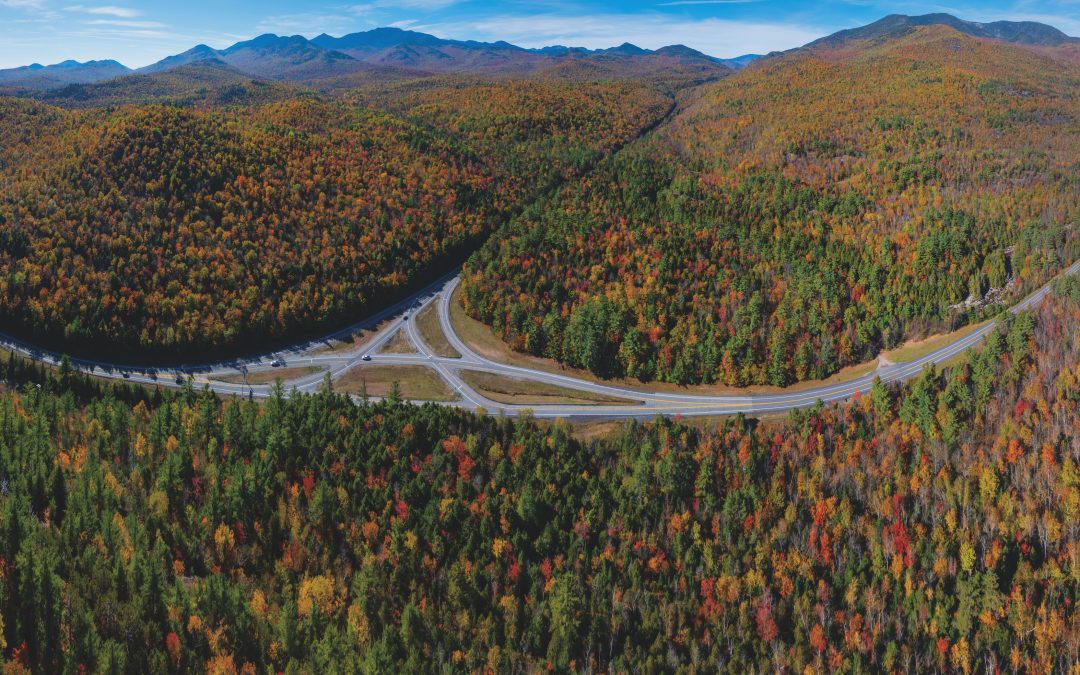
Whiteface, in Wilmington, pokes up into the clouds as a beacon for skiers and snowboarders who come from all over to slide down its slopes. The ski center opened in 1958 and hosted the Alpine events for the 1980 Winter Olympics. Today it sprawls over three summits, has 88 trails and can draw as many as 6,000 people on a holiday weekend.
During a typical season—mid-November through April, snow permitting—Whiteface’s ski patrol polices the mountain, inspects the safety of the terrain and deals with 500 to 600 skier injuries, mostly involving knees and shoulders, says assistant pro patrol director Matt Levenson. And tragically, sometimes there are fatalities. But people don’t go missing on Whiteface—that is, more than the time it might take to find them in the bar or waiting in their cars. “Many times a week somebody says they’re missing a friend and there’s usually a simple explanation,” says Levenson, who’s worked on the mountain for 30 years. But at closing time, after Danny Filippidis’s friends reported him missing—his street shoes where he’d left them in the base lodge—“this one just didn’t go that way.”
Whiteface ski patrol, snowmakers and Department of Environmental Conservation forest rangers searched the slopes until four the next morning. No trace of Filippidis. The weather turned ugly, bringing frigid temperatures and an icy layer of snow that blanketed the terrain.
Word of the missing 49-year-old spread. More than 100 volunteers—including Filippidis’s Canadian firefighter colleagues—helped scour the mountain, which stayed open to the public, the idea being that the more eyes on the ground, the better. New York State Police and the departments of Homeland Security and Border Patrol joined the team. From a tented command center wired with heat and Wi-Fi in the ski center’s Bear Den parking lot, helicopters, drones and dogs were dispatched and searchers were assigned and debriefed.
Filippidis’s wife, kids, family and friends were often on-site, checking progress and supported by members of the surrounding community who donated meals and services. Locals were invested physically, on Whiteface itself, and emotionally—worshipers at area churches prayed for the skier’s safe return.
The days dragged on. Searchers faced treacherous conditions. Increasingly, “I’m thinking this is just not right,” says Levenson, who was in charge of safety for the operation. “We’ve never not been able to find someone on this mountain. It’s not like going off Mount Marcy into Panther Gorge.”
And then, almost six days after he left his friends at Whiteface’s Mid-Station, Danny Filippidis called his wife. He was at the Sacramento International Airport, in California.
With that, “we just picked up everything and went home,” says Levenson. It was over.
Sort of.
Filippidis was “dazed and confused” and wearing his ski gear, according to the Sacramento County Sheriff’s Department. He told authorities he’d “been dropped off by a truck driver” and “believed he had hit his head or had been hit in the head.” He’d had a haircut, bought an iPhone and was carrying a credit card and $1,000 in cash.
Filippidis told the Canadian Press he has no memory “of a fall that knocked him out and likely caused a concussion.” He described “feeling disoriented” and suspected he “flagged down a truck” that drove him cross-country during the “crushing headache and intense fatigue that left him unable to do little besides sleep.”
Still, some people around town and on social media dismiss the skier’s story. They cite the unlikelihood of hitching a ride from an 18-wheeler, as those rigs seldom drive narrow Wilmington Notch, the mountain pass through which Route 86 snakes. Others think Filippidis should pay for what rumors suggest was a $2 million exercise. And the “2912 M. Sacramento” sign someone put in the woods at Whiteface last winter remains.
The mystery of how Filippidis got to California continues. His skis haven’t surfaced. The trucker and other witnesses haven’t come forward. At press time state police haven’t returned calls.
Looking back, says Levenson, “It was a surreal six days. We didn’t miss him on the hill—he’s alive, his family can still talk with him, see him. We, here at Whiteface, did what we were supposed to do. That’s what I go back to.”