Grand-Prize Winner
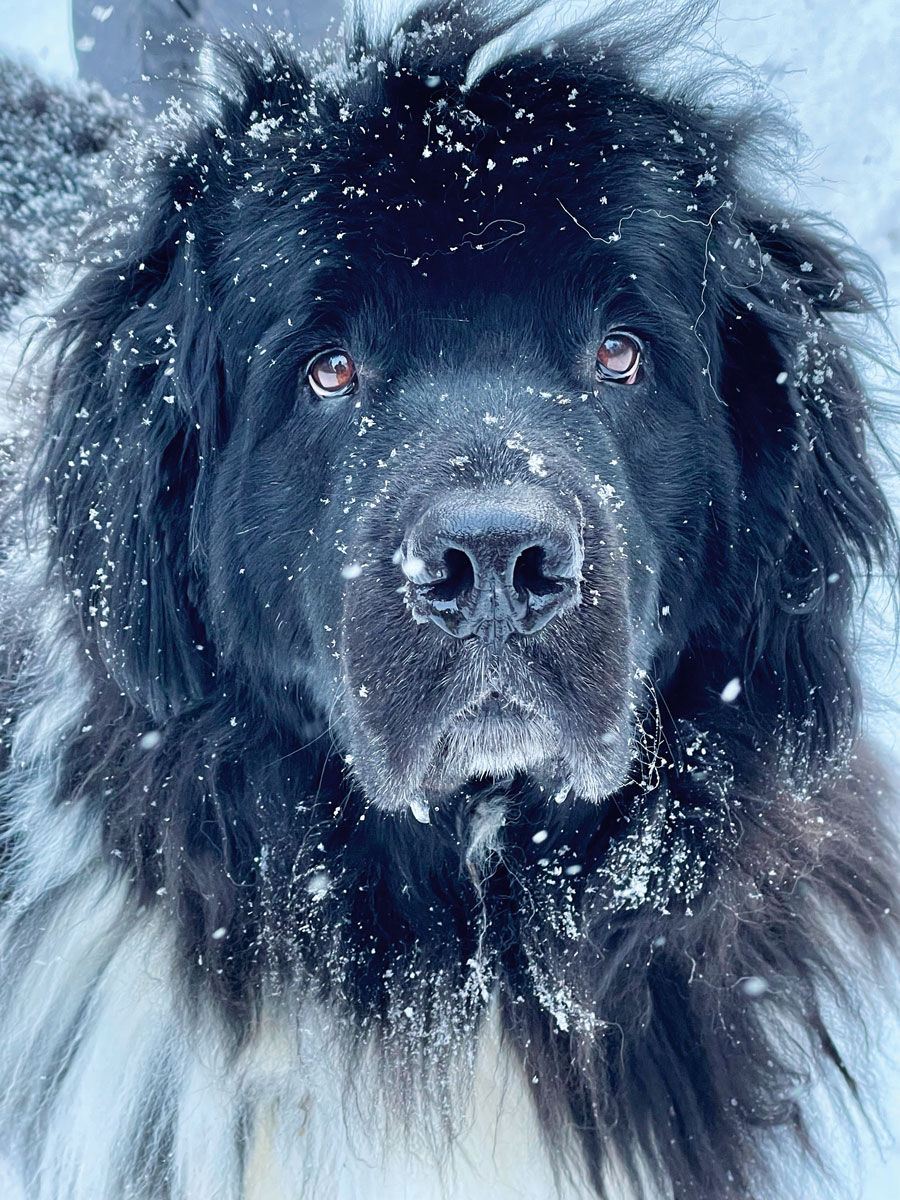
Serenity with Man’s Best Friend, Town of Lyonsdale
Michael Morton, Lyons Falls, New York
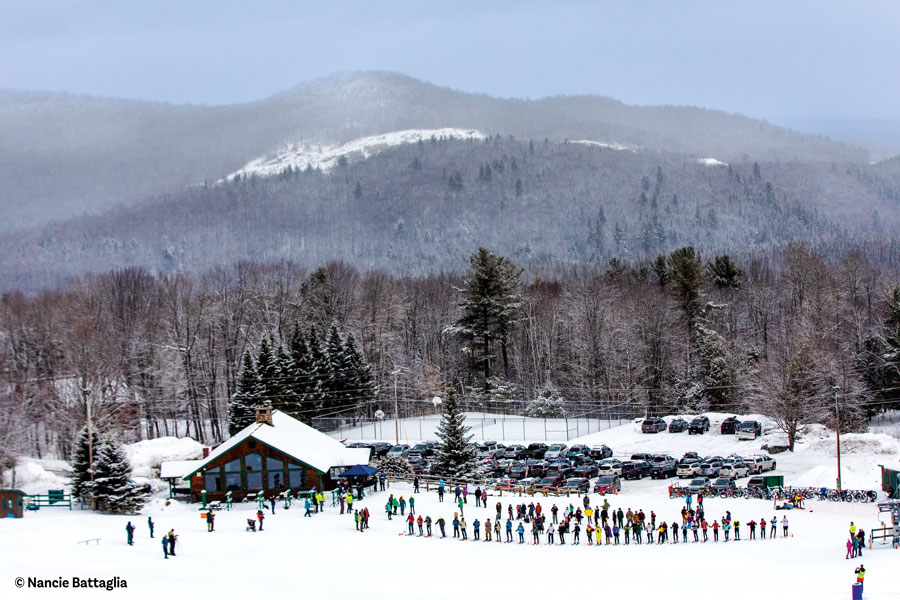
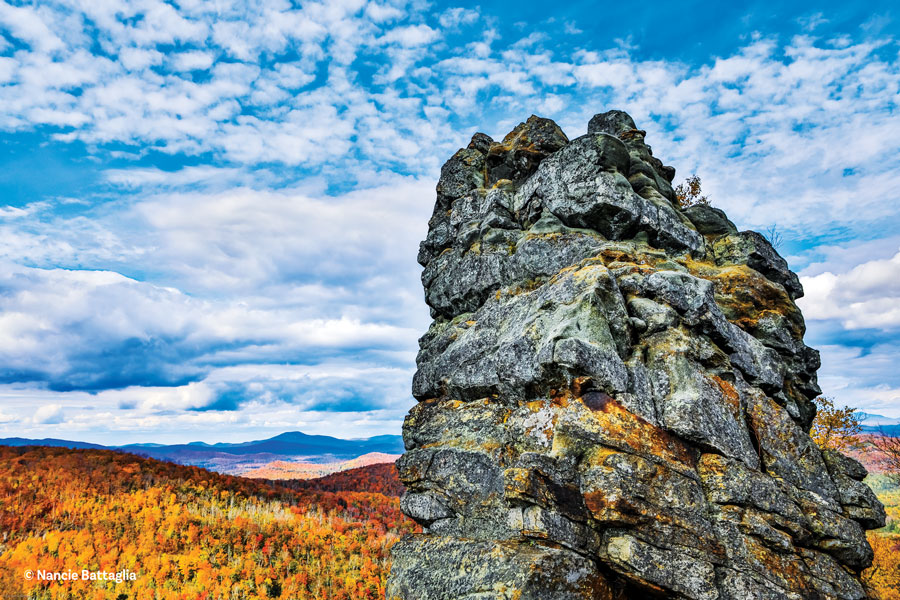
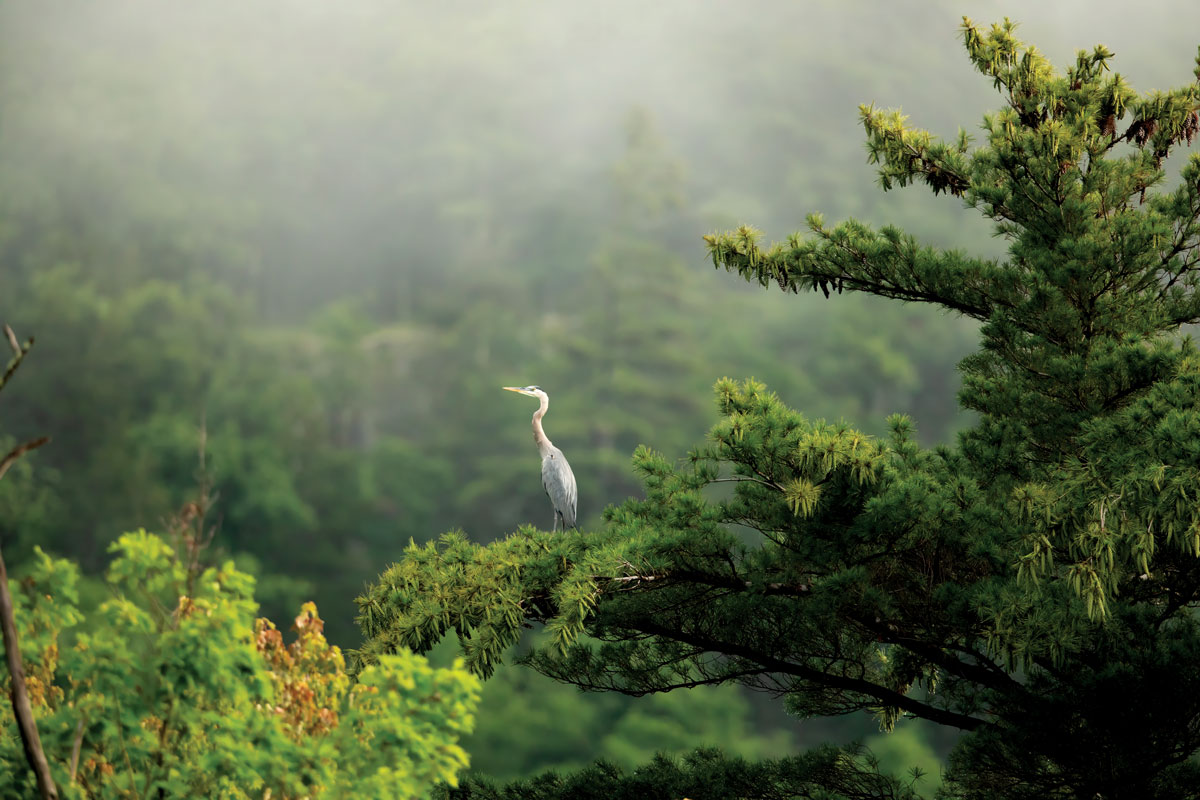
In the Adirondacks, we’re so immersed in beauty that it’s no wonder our photography contest attracts an embarrassment of riches. But this year we were even more blown away by our readers’ creativity and the eye-catching variety of scenes and perspectives. The best sparked a deep sense of connection—to well-loved places, memorable times, wild neighbors and even a best friend. Another bonus: shots that documented a slice of last year, such as the haze from the Canadian wildfires that framed a Lake George heron.
— Niki Kourfsky

The Winners of our Annual Photography Contest
Congratulations to all of our winners. Grand-prize, first- through third-place and runner-up honorees will receive a commemorative piece of pottery by Sue Young, of Jay.

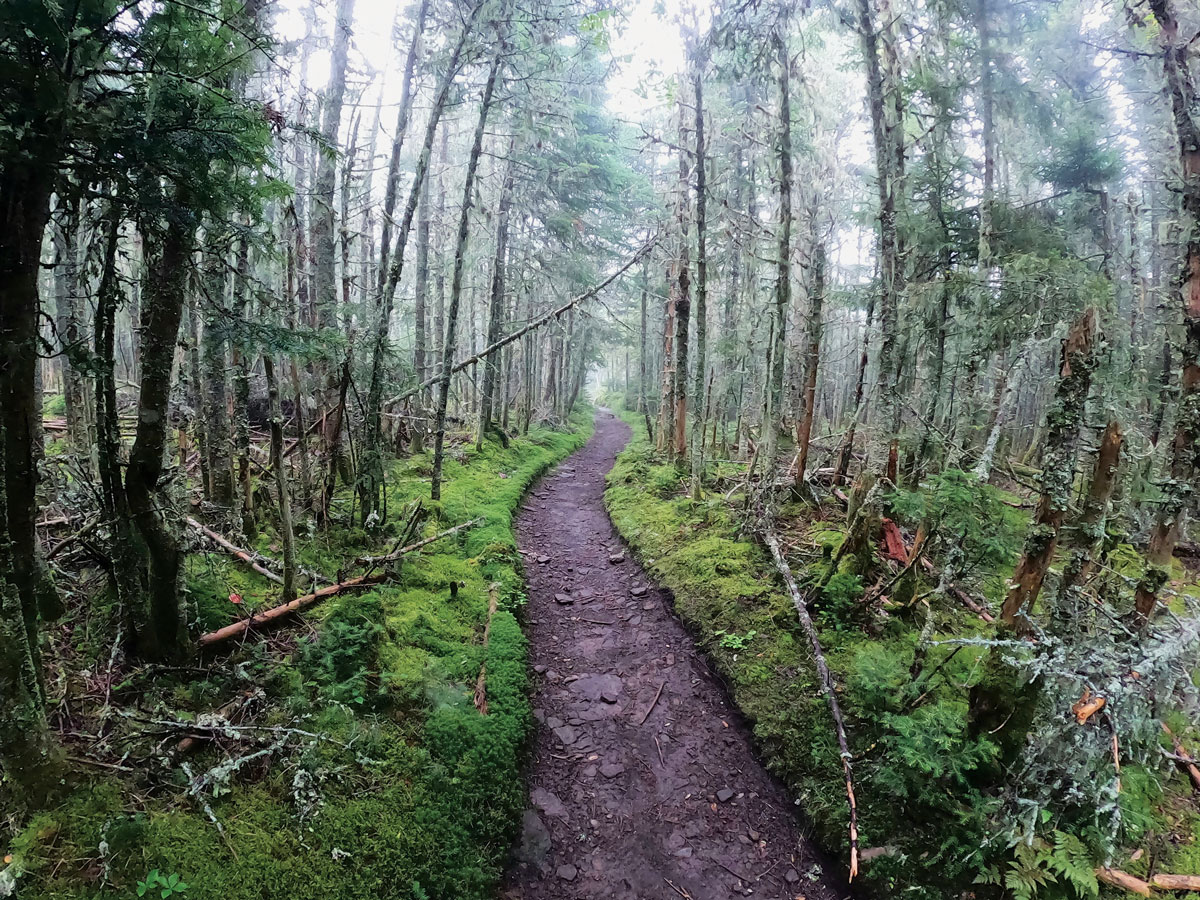
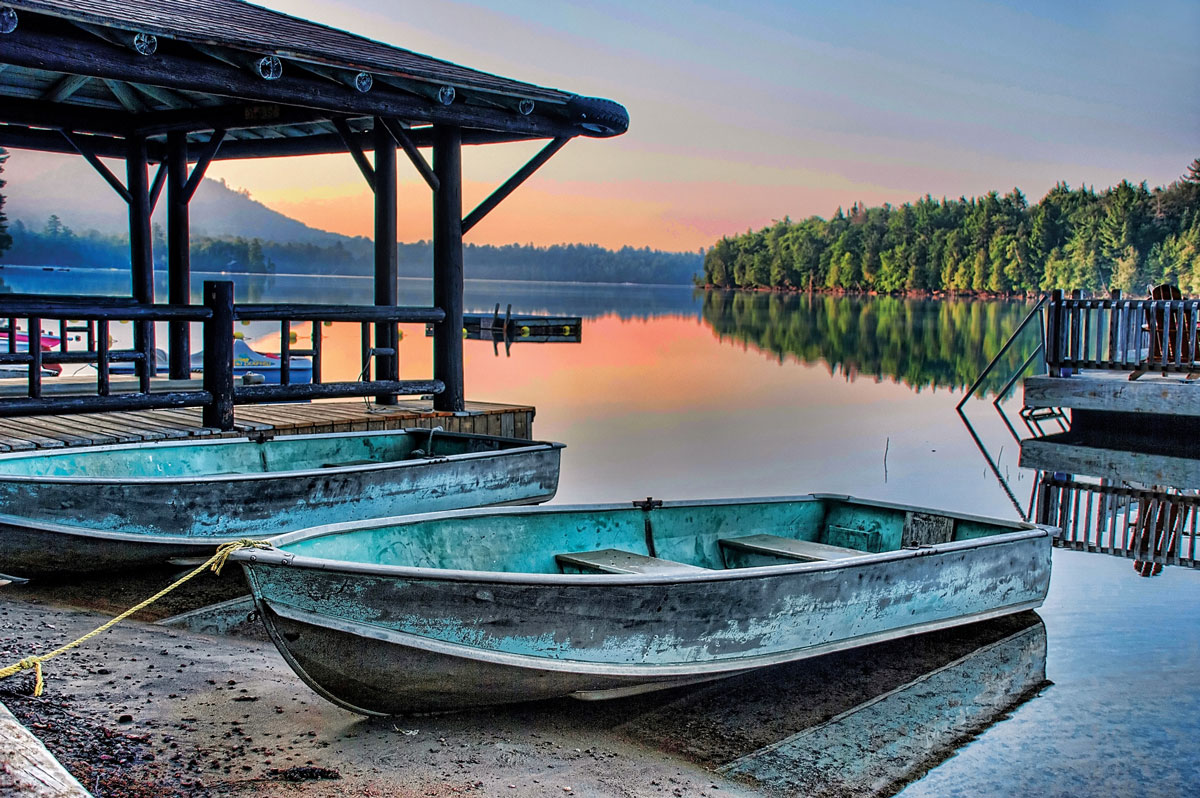
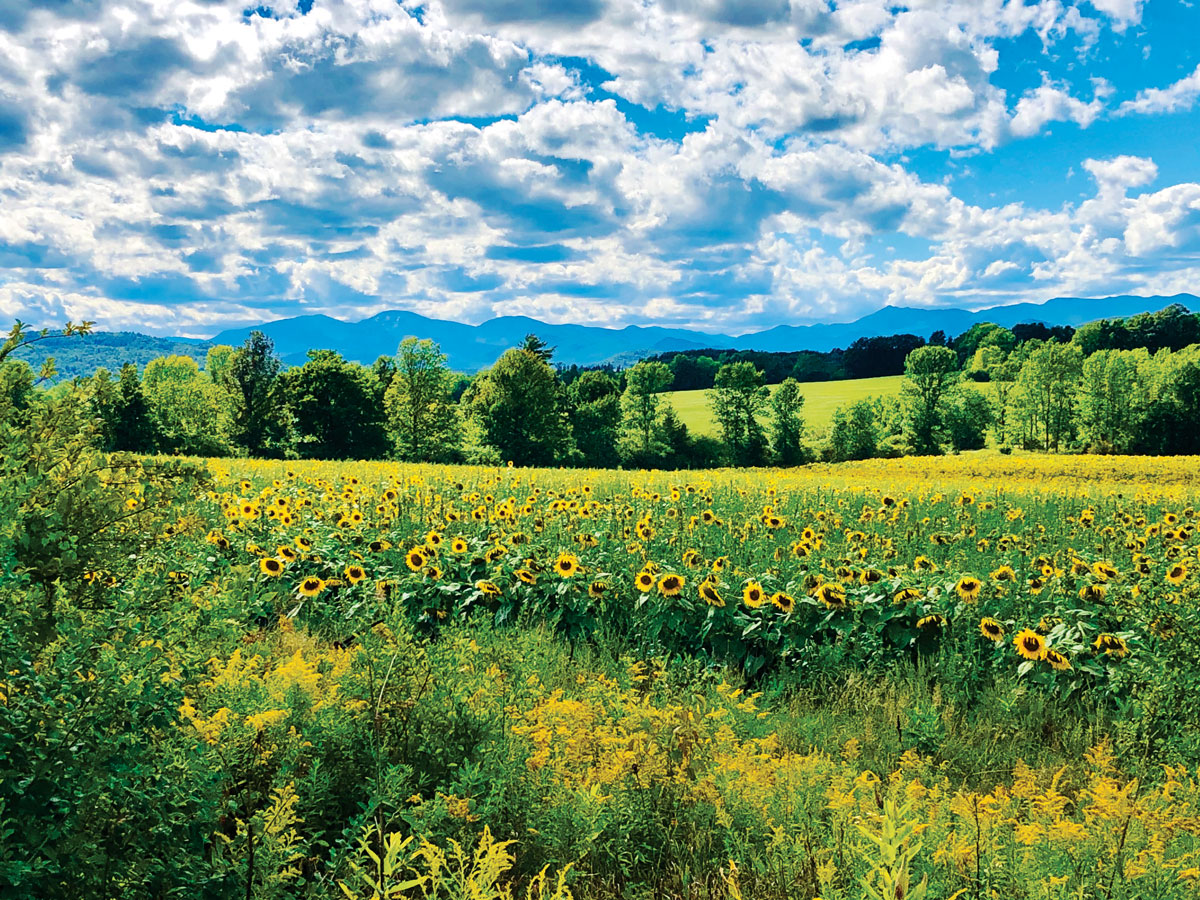
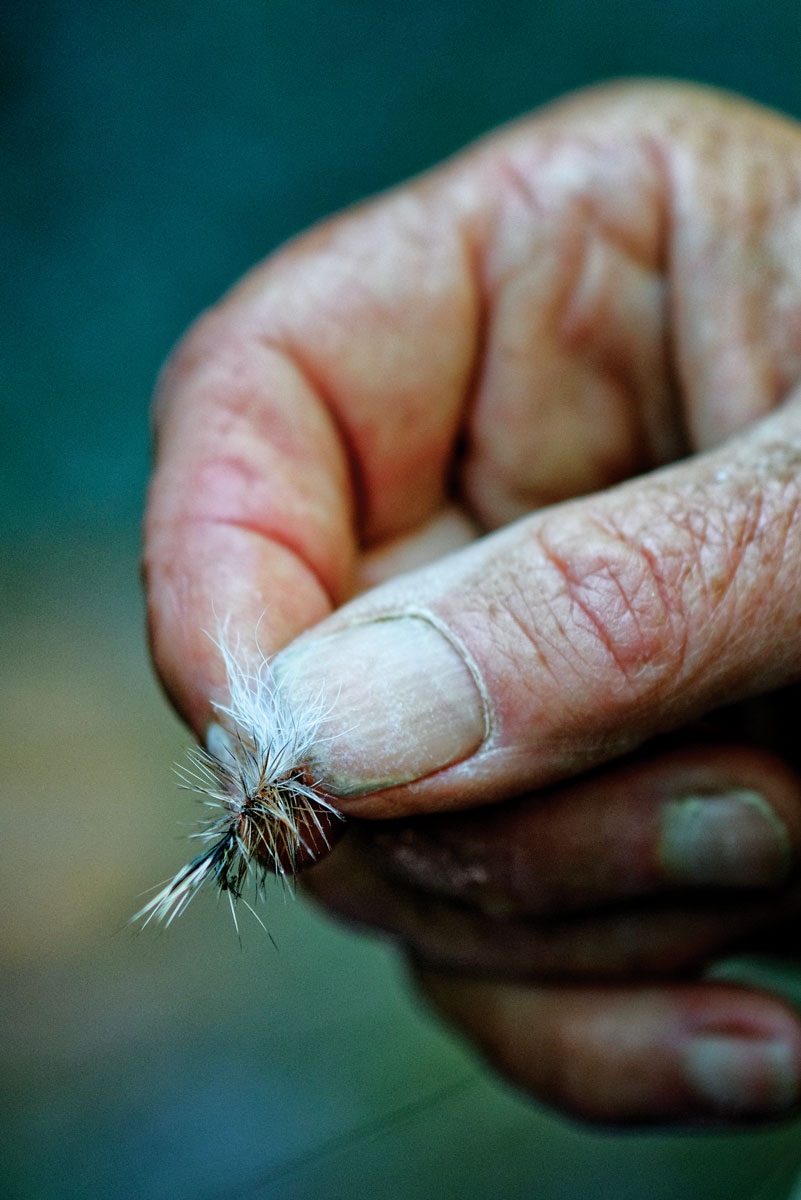
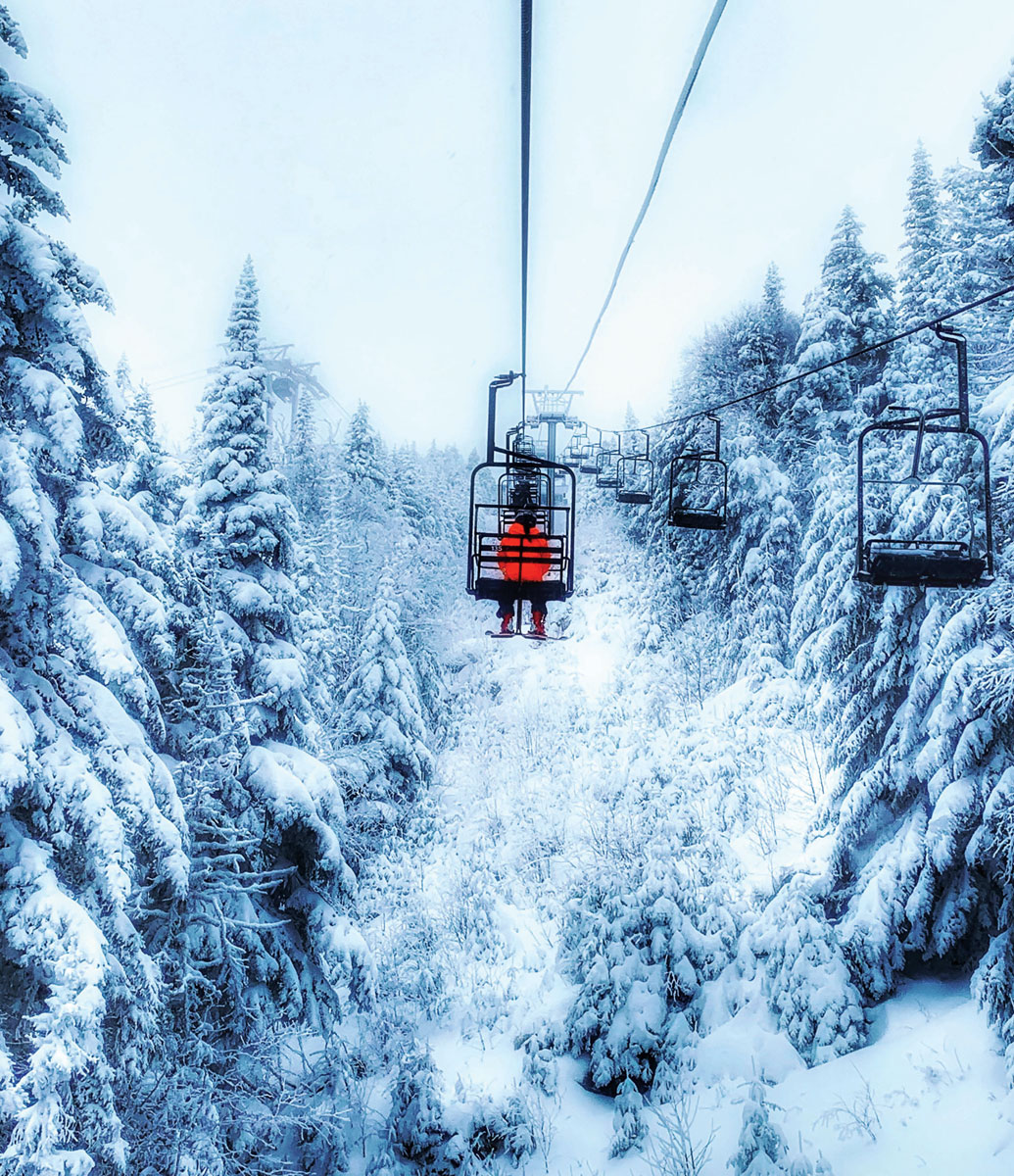

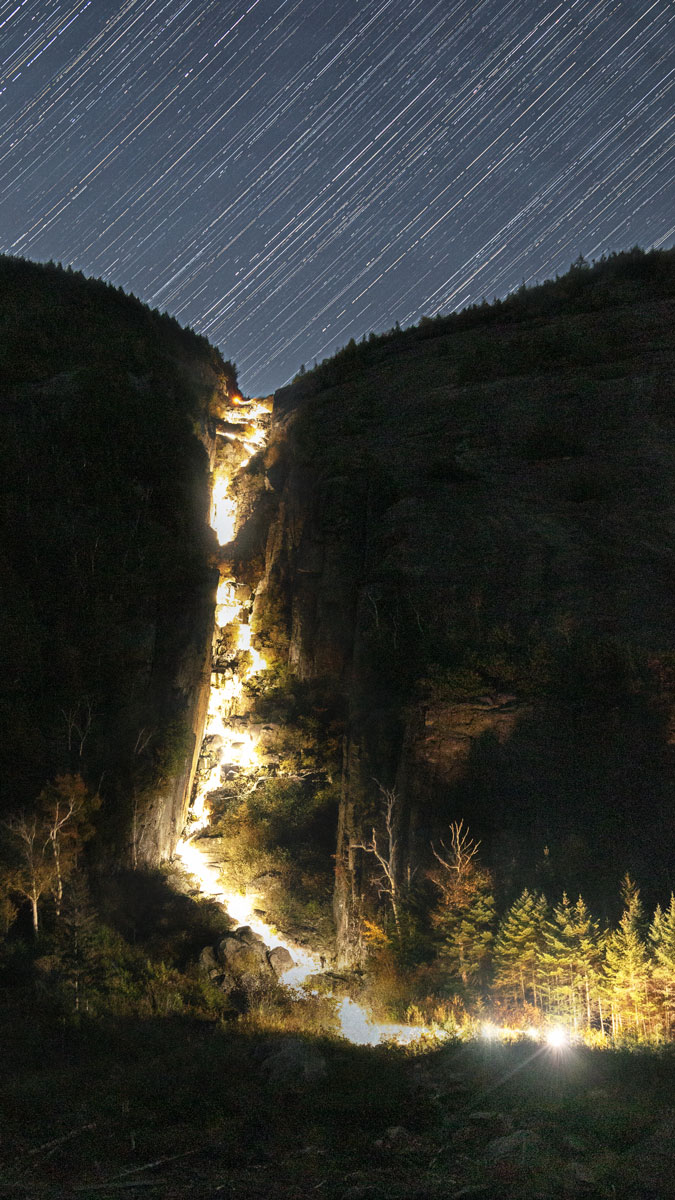
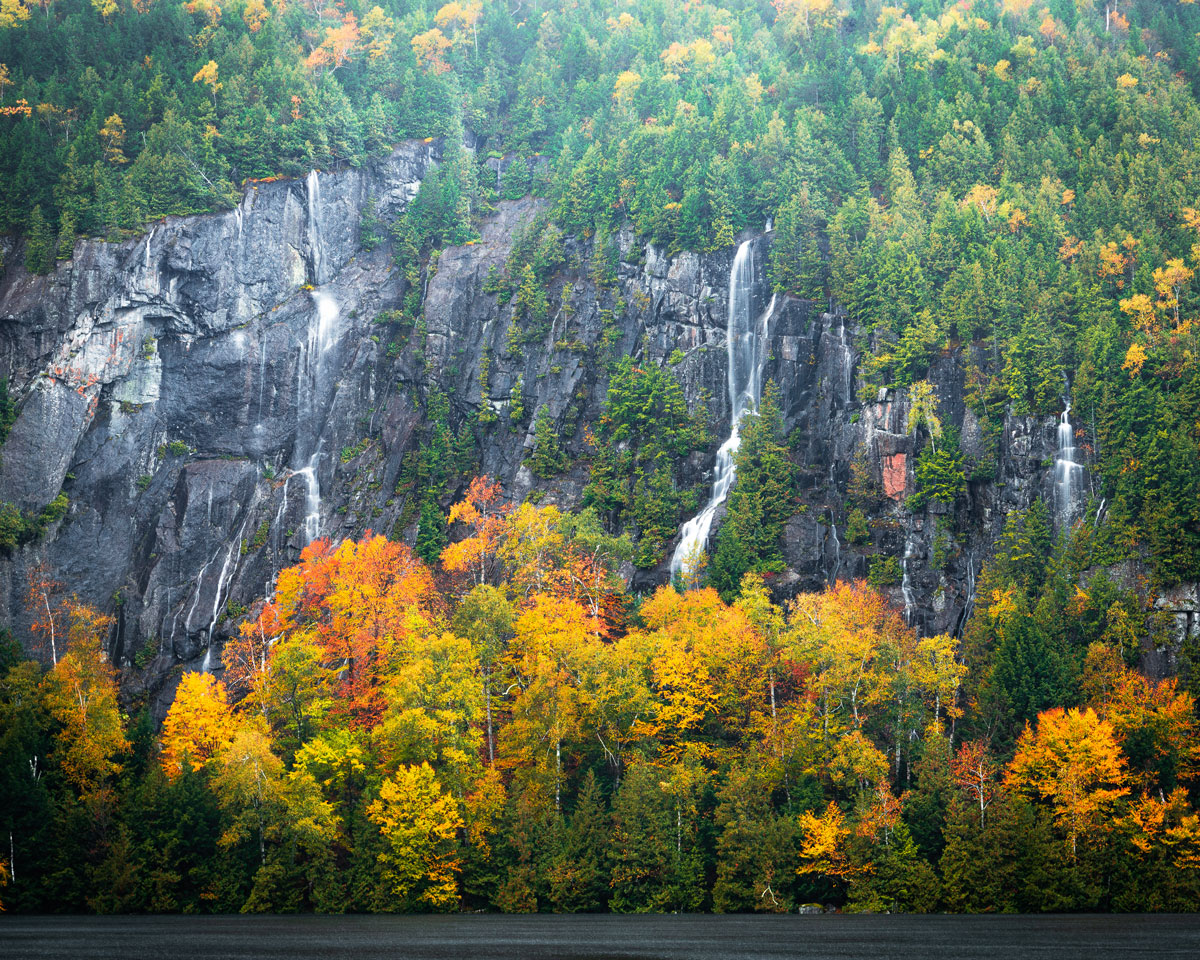
Runner-up Honorees
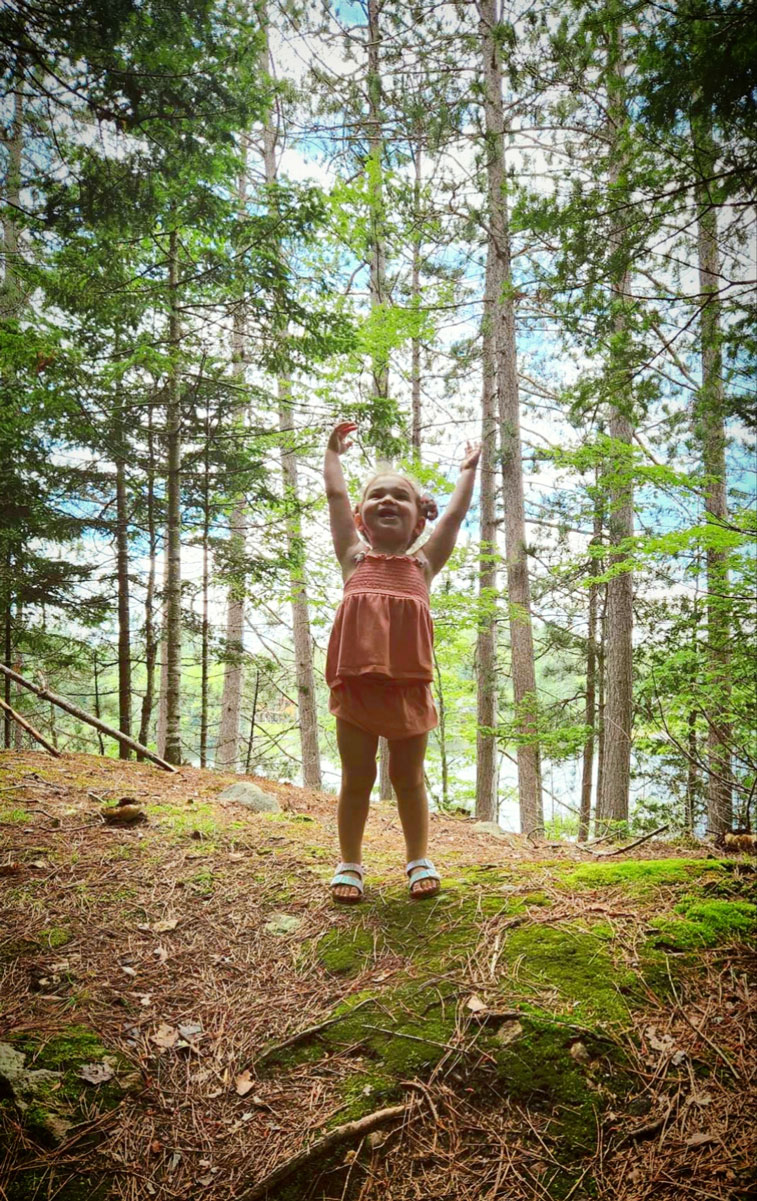

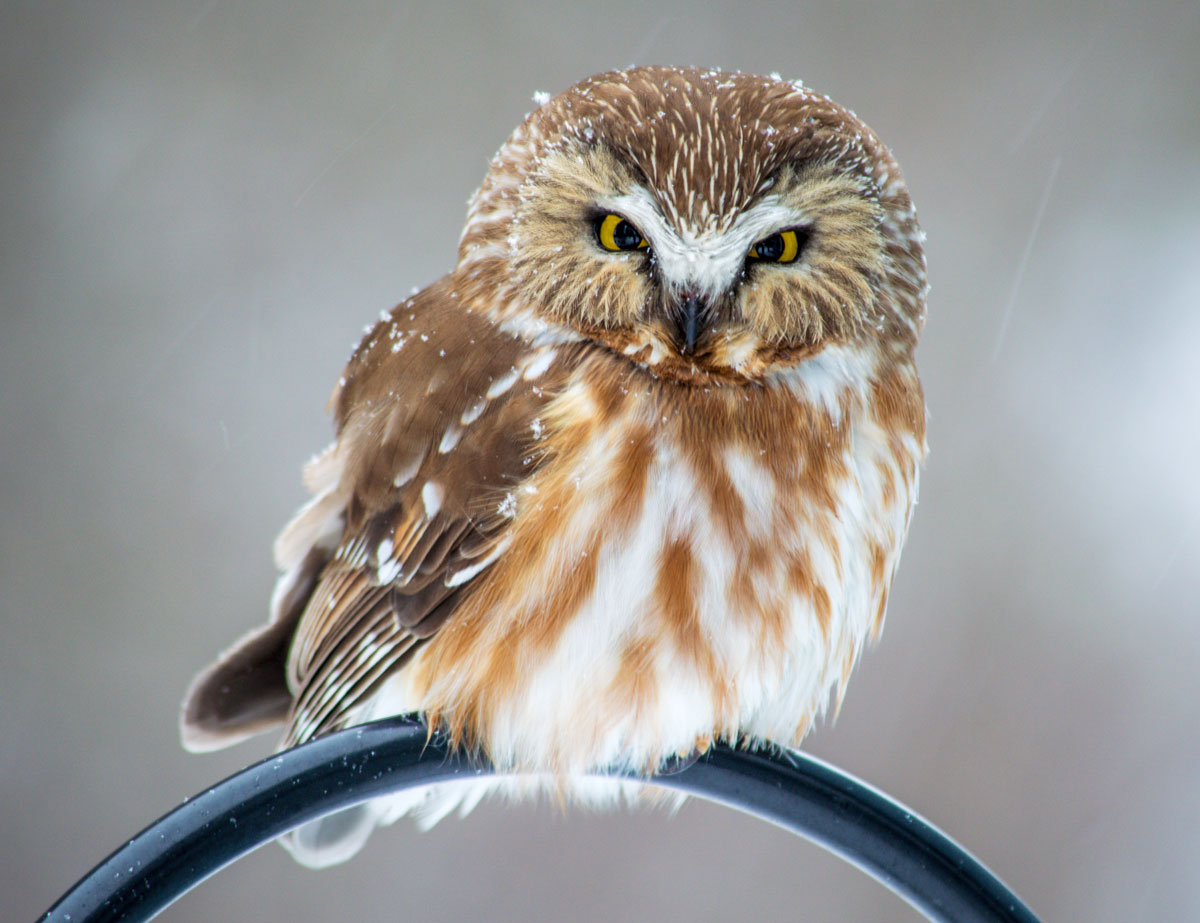
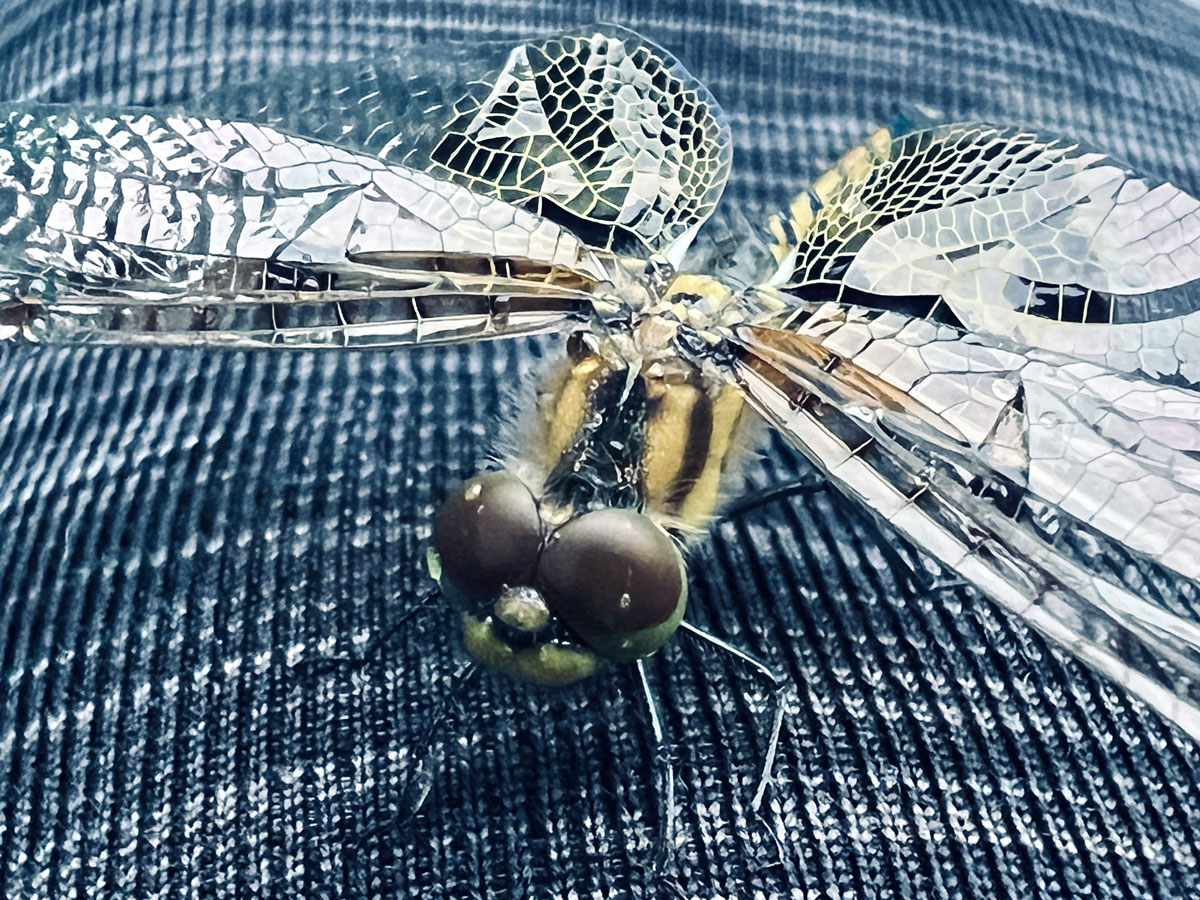





Click Here to see the winners of last year’s contest.
Photography Tips
Adirondack Photography Institute executive director John Radigan’s photo tips:
1. Shoot during the “magic hours.”
The times around sunrise and sunset provide the best light, with a range of tones that can easily be captured by a modern digital camera. Rapidly changing conditions make interesting lighting effects, and the wind is often greatly reduced in the early morning.
2. Keep horizons level.
Avoid tilted lakes. Unless you are trying to achieve an exaggerated effect, horizon lines should be level. Use the camera’s viewfinder grid lines or a hot-shoe mounted bubble level to make sure.
3. Steer clear of large, featureless areas.
Large areas without interesting details should generally be avoided, as they draw attention from other parts of the image. A blank sky, for instance, whether blue or overcast, is a distraction in an image. Wait for clouds to add interest to the scene.
4. Be aware of what’s going on in all directions.
Don’t be fixated by a small portion of the scene surrounding you. Conditions in nature can change rapidly. Always look behind, down and up to see if there are other things going on that you may be missing.
5. Include a foreground object to give depth.
Placing objects at varying distances within the picture plane can create a more interesting image. This helps to create a sense of scale in the image, drawing the viewer in.
6. Don’t be afraid of the rain.
Some of the most beautiful and usable light occurs during a light rain or drizzle. Extremes of contrast from light to dark disappear, allowing a tremendous amount of detail. This is the time to be in the forest or among the plants in a field.
7. Always use a tripod.
Shooting during the magic hours or in low-light conditions such as drizzle can require long exposures—a number of seconds, at least. A tripod is a necessity at these times.
8. Avoid centering the subject.
Placing your subject in the center of the frame will, instead of highlighting it, give equal importance to the subject and everything around it. By placing the subject significantly away from the center, the viewer’s eye is drawn to it.